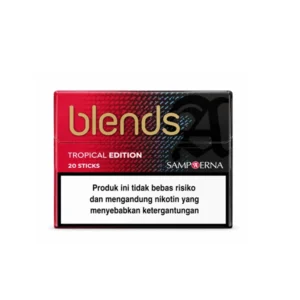
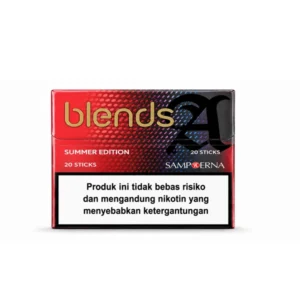
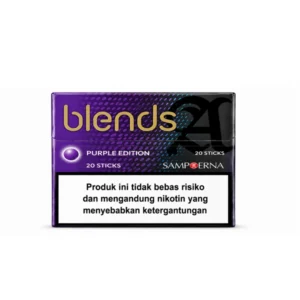
The debate around IQOS vs cigarettes has intensified as more smokers look for alternatives they believe might be “less harmful.” With rising awareness about the dangers of smoking, products like IQOS are often marketed as modern, cleaner options. But does heated tobacco truly reduce health risks—or is it just clever branding?
To answer this honestly, we need to compare IQOS vs cigarettes, examine how IQOS works, and look closely at what science says about lung health, addiction, and long-term risks.
What Is IQOS and How Does It Work?
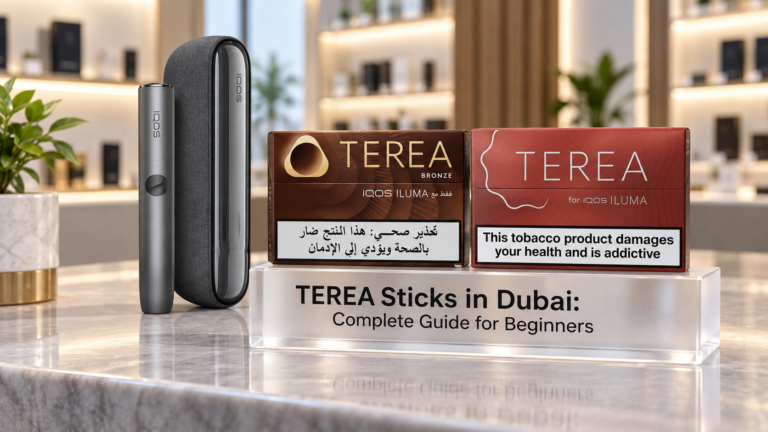
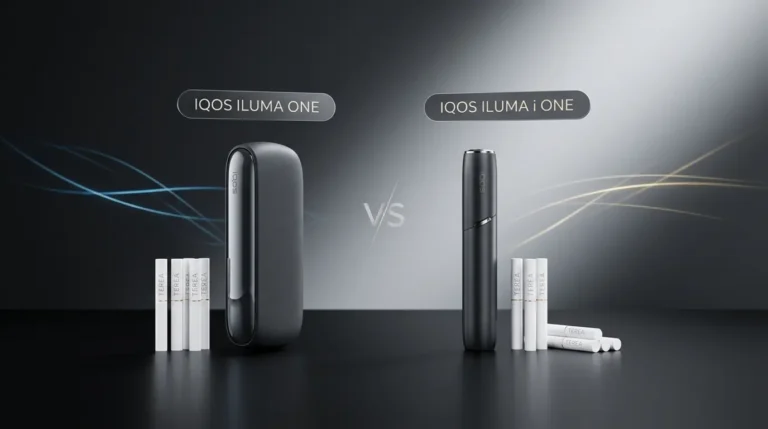
IQOS is a heated tobacco device designed to heat real tobacco instead of burning it. Unlike cigarettes, which rely on combustion, IQOS heats tobacco sticks to a lower temperature, producing an aerosol rather than smoke. This distinction fuels the argument of heated tobacco vs cigarettes and forms the foundation of IQOS marketing claims.
Because there is no burning flame, IQOS produces fewer combustion byproducts than cigarettes. This has led to its classification as a reduced exposure tobacco product in certain regulatory frameworks. However, reduced exposure does not automatically mean reduced harm.
Is IQOS More Harmful Than Normal Cigarettes?
One of the most searched questions online is: Is IQOS more harmful than cigarettes? Current evidence suggests that IQOS exposes users to lower levels of certain toxic chemicals compared to cigarette smoke. That said, it is not harmless.
Traditional cigarettes are linked to severe cigarette smoking health effects, including cancer, heart disease, and cigarettes and lung damage caused by thousands of combustion-generated toxins. IQOS reduces exposure to some of these toxins—but not all.
The health risks of IQOS still include nicotine addiction, cardiovascular stress, and potential respiratory harm. So while IQOS vs normal cigarettes may show reduced toxic exposure, it does not eliminate health risks.
Is IQOS Better Than Cigarettes?
The question Is IQOS better than smoking? depends on perspective. For a non-smoker, IQOS is not safe. For a long-term smoker unable to quit, switching may reduce exposure to some harmful substances.

Research comparing smoking vs IQOS lung health suggests that irritation and inflammation may be lower with IQOS than with cigarettes. However, IQOS long-term effects are still being studied, and no heated tobacco product can be considered risk-free.
In short, is IQOS safer than cigarettes? Possibly in terms of exposure—but not in terms of overall health.
Is 1 IQOS Equivalent to One Cigarette?
Many users assume one tobacco stick equals one cigarette, but the reality is more complex. While manufacturers design each stick for a similar session length, IQOS nicotine levels can vary depending on puff intensity and frequency.
A nicotine delivery comparison shows that IQOS can deliver nicotine levels close to cigarette nicotine content, meaning dependency risk remains high. This raises an important concern: Is IQOS as addictive as cigarettes? For many users, yes.
So while an IQOS stick equivalent to cigarette may exist in theory, usage patterns often differ—and may even lead to increased consumption.
IQOS vs Combustion: Key Health Differences
The biggest distinction in IQOS vs cigarettes is combustion. Cigarettes burn tobacco, releasing tar, carbon monoxide, and thousands of chemicals. IQOS avoids combustion, which reduces—but does not eliminate—toxin exposure.
This difference explains why IQOS is sometimes classified under reduced harm tobacco products or a modified risk tobacco product in regulatory discussions. The FDA IQOS approval allows marketing as reduced exposure—but not as safe.
Studies highlight fewer combustion toxins but still identify IQOS respiratory risks, including airway irritation and potential IQOS lung damage with long-term use.
What Happens When You Switch from Cigarettes to IQOS?
People switching from cigarettes to IQOS often report short-term changes like reduced coughing, improved taste, and less smoke smell. These effects contribute to the belief that IQOS is safer.
However, the outcomes when switching to IQOS vary. Some users compensate by increasing consumption, raising concerns about IQOS daily use risks and heavy IQOS use effects. Questions like how many IQOS per day is safe remain unanswered—because no amount is considered safe.
Switching may reduce exposure but does not equate to quitting nicotine.
Final Verdict: Risk Reduction or Marketing Claim?
So, is IQOS genuine harm reduction—or smart marketing? The answer lies somewhere in between. Evidence from IQOS scientific studies supports reduced exposure compared to cigarettes, but IQOS effects on lungs and cardiovascular health remain concerning.
When comparing IQOS vs cigarettes or heated tobacco vs e-cigarettes, no product emerges as safe. Claims such as is vaping safer than smoking remain controversial, especially as long-term data evolves.
The best way to quit smoking remains complete cessation—not substitution.
Why Trust VaporZone
At VaporZone, we believe in transparency, evidence-based information, and consumer education. We don’t promote myths or fear—we explain facts clearly so users can make informed decisions.
Whether you’re evaluating IQOS harm reduction, exploring alternatives to smoking cigarettes, or questioning is IQOS safe for smokers, our goal is to empower—not persuade.
Frequently Ask Questions
Is IQOS better than cigarettes?
From a toxic exposure standpoint, IQOS may be less harmful than cigarettes, but it still carries addiction and health risks.
What is the safest form of smoking?
There is no safe form of smoking. The safest option is complete nicotine cessation using approved methods.
Can IQOS help smokers quit?
While some use IQOS as a transition, can IQOS help quit smoking? It is not approved as a cessation tool. IQOS as a quitting aid lacks strong evidence compared to medically approved options.